









Displaying items by tag: Celebrating At Home
Miércoles, 27 Mayo 2026 08:34
Celebrating At Home - The Most Holy Trinity
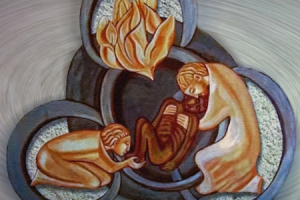
God Enfleshed In Us
(John 3:16-18)
A quick look at the readings for today shows very clearly that the Feast of the Trinity is a celebration of God’s love for humankind. It is a day for reflecting on who God is, not for trying to figure out how there can be three persons in one God.
The Church’s focus today is on experience, not theology.
In intellectual terms, God remains a mystery. For people of faith, God is known not by the mind, but by the heart. That is what spirituality and mysticism are about - exploring our experience of God.
In the first reading God is proclaimed as a God of tenderness and compassion, slow to anger and rich in mercy; a God who walks with his people.
Paul’s words in the second reading are born out of his belief that, having been made in the image and likeness of God, Christians must always act in the image and likeness of God.
Through our public liturgy, private prayer and contemplation we come to experience - to ‘know’ and feel in our hearts - that God loves us, accepts us, forgives us and constantly invites us into an ever deeper experience of love.
When we allow God’s heart to speak to ours in love we begin to absorb more of God’s life into our own. We are being transformed. Our values and attitudes, our ways of looking at and being in the world start to change. We begin to see with God’s eyes and feel with God’s heart.
We become passionate about the things God is passionate about: speaking truthfully, acting with justice and integrity, looking out for each other and especially for the vulnerable, promoting peace and understanding, ending competition and discrimination, respecting life.
That makes us better people and our lives become a blessing for each other and for the world.
That is what it means to live out of God’s great gift to us, the Spirit of Jesus Christ which God has placed in our hearts. God becomes enfleshed in us and we become stewards of God’s grace and life.
The Church’s focus today is on experience, not theology.
In intellectual terms, God remains a mystery. For people of faith, God is known not by the mind, but by the heart. That is what spirituality and mysticism are about - exploring our experience of God.
In the first reading God is proclaimed as a God of tenderness and compassion, slow to anger and rich in mercy; a God who walks with his people.
Paul’s words in the second reading are born out of his belief that, having been made in the image and likeness of God, Christians must always act in the image and likeness of God.
Through our public liturgy, private prayer and contemplation we come to experience - to ‘know’ and feel in our hearts - that God loves us, accepts us, forgives us and constantly invites us into an ever deeper experience of love.
When we allow God’s heart to speak to ours in love we begin to absorb more of God’s life into our own. We are being transformed. Our values and attitudes, our ways of looking at and being in the world start to change. We begin to see with God’s eyes and feel with God’s heart.
We become passionate about the things God is passionate about: speaking truthfully, acting with justice and integrity, looking out for each other and especially for the vulnerable, promoting peace and understanding, ending competition and discrimination, respecting life.
That makes us better people and our lives become a blessing for each other and for the world.
That is what it means to live out of God’s great gift to us, the Spirit of Jesus Christ which God has placed in our hearts. God becomes enfleshed in us and we become stewards of God’s grace and life.
Published in
Noticias (CITOC)
Tagged under
Lunes, 18 Mayo 2026 13:45
Celebrating At Home - Pentecost Sunday
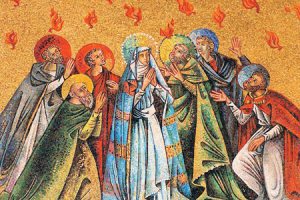
Sent to be God’s Love in the World
(John 20:19-23)
At Pentecost we celebrate the gift of the Holy Spirit to the first group of Christian believers - the disciples. This gift of the Holy Spirit is the culmination of the life, death and resurrection of Jesus. It would be wrong to think that this gift happened only once, in one moment of history. In fact, the gifting of the Holy Spirit is a continuing event in the life of every believing person and, therefore, in every age of human history. The Holy Spirit is the presence of God with us - the enduring way in which Jesus remains present in the Church and in the life of each person.
Today we do not pray to receive the Holy Spirit. The presence of the Holy Spirit in us has been affirmed and proclaimed in the sacraments of Baptism and Confirmation. Instead, we pray to grow more aware of the Spirit’s presence in our lives and to allow that Spirit to grow within us, gradually re-shaping our minds and hearts in the image of Jesus.
Pentecost brings to a close the fifty days of the Church’s Easter celebrations. Soon we will begin Ordinary Time again. So, our feast today helps us understand that we take the Holy Spirit with us into the ordinary events and tasks of each day. That is how we allow the sacred to touch, heal and transform us and the world around us.
The spiritual search is for the heart of God within our own. When we enter into relationship with Christ through the Spirit, the gifts begin to flow more abundantly. The Spirit is the source of reconciliation with ourselves and with each other. Reconciliation is essential if we are to ‘hold and guard’ each other in the midst of all that life throws at us, especially at the moment.
The Spirit brings gifts of wisdom, courage, understanding, right judgement, knowledge, reverence, wonder and awe in God’s presence. May we be graced by them all as we discern and decide how we can best work together to build up each other and to let God’s love be seen at work in each of us.
Today we do not pray to receive the Holy Spirit. The presence of the Holy Spirit in us has been affirmed and proclaimed in the sacraments of Baptism and Confirmation. Instead, we pray to grow more aware of the Spirit’s presence in our lives and to allow that Spirit to grow within us, gradually re-shaping our minds and hearts in the image of Jesus.
Pentecost brings to a close the fifty days of the Church’s Easter celebrations. Soon we will begin Ordinary Time again. So, our feast today helps us understand that we take the Holy Spirit with us into the ordinary events and tasks of each day. That is how we allow the sacred to touch, heal and transform us and the world around us.
The spiritual search is for the heart of God within our own. When we enter into relationship with Christ through the Spirit, the gifts begin to flow more abundantly. The Spirit is the source of reconciliation with ourselves and with each other. Reconciliation is essential if we are to ‘hold and guard’ each other in the midst of all that life throws at us, especially at the moment.
The Spirit brings gifts of wisdom, courage, understanding, right judgement, knowledge, reverence, wonder and awe in God’s presence. May we be graced by them all as we discern and decide how we can best work together to build up each other and to let God’s love be seen at work in each of us.
Published in
Noticias (CITOC)
Tagged under
Martes, 12 Mayo 2026 09:41
Celebrating At Home - Ascension of the Lord
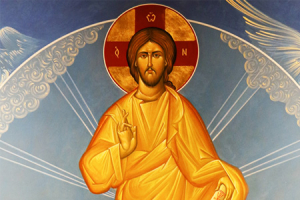
Called, Chosen & Sent
To Be God’s Heart In The World (Matthew 28:16-20)
The feast of the Ascension commemorates the return of Jesus to the Father. Jesus leaves in body but remains with us through the gift of the Spirit. We will celebrate the gift and presence of the Holy Spirit in next Sunday’s feast of Pentecost.
The true meaning of our feast today is not found in Jesus’ leaving, but in the way he calls his disciples back together, to re-form them as a new community entrusted with the spread of the Gospel. Jesus sends the disciples out to make disciples of all nations, to baptise them in the name of the Father and of the Son and of the Holy Spirit, and to teach them his way. But the disciples are not left to do all that on their own. Jesus promises that he is with them always.
Jesus has called the ragged, group of disciples, scattered after his crucifixion, back to himself to form them, fragile and doubtful as they are, into a community for mission in the name of God. It is comforting to recognise that Jesus doesn’t insist on perfection before he calls us and entrusts us with his mission.
This mission is authorised by God and passed on to us through Jesus. It is not about authority over others. It is actually a call to act as God would act, true to God’s heart as Jesus has taught us.
Ever since Easter, we have been proclaiming that Jesus is alive. The feasts of the Ascension and Pentecost help us to realise that we are part of a long tradition of faithful disciples. We have our faults and failings, but our call is to witness to and teach the way of Jesus by the kind of people we are, the values and attitudes we hold, in thought, word and action - to be the living presence of God in the world today.
The true meaning of our feast today is not found in Jesus’ leaving, but in the way he calls his disciples back together, to re-form them as a new community entrusted with the spread of the Gospel. Jesus sends the disciples out to make disciples of all nations, to baptise them in the name of the Father and of the Son and of the Holy Spirit, and to teach them his way. But the disciples are not left to do all that on their own. Jesus promises that he is with them always.
Jesus has called the ragged, group of disciples, scattered after his crucifixion, back to himself to form them, fragile and doubtful as they are, into a community for mission in the name of God. It is comforting to recognise that Jesus doesn’t insist on perfection before he calls us and entrusts us with his mission.
This mission is authorised by God and passed on to us through Jesus. It is not about authority over others. It is actually a call to act as God would act, true to God’s heart as Jesus has taught us.
Ever since Easter, we have been proclaiming that Jesus is alive. The feasts of the Ascension and Pentecost help us to realise that we are part of a long tradition of faithful disciples. We have our faults and failings, but our call is to witness to and teach the way of Jesus by the kind of people we are, the values and attitudes we hold, in thought, word and action - to be the living presence of God in the world today.
- pdf Celebrating At Home - The Ascension Of The Lord [PDF](3.45 MB)
- default Celebrating At Home - The Ascension Of The Lord [ePub](2.99 MB)
- pdf Celebrando en Familia - El Domingo de la Ascensión(1.01 MB)
- pdf Celebrando in Casa - L’Ascensione del Signore(935 KB)
- pdf Comemorando em família - Domingo da Ascensão(1021 KB)
Published in
Noticias (CITOC)
Tagged under
Martes, 05 Mayo 2026 09:25
Celebrating At Home - Sixth Sunday of Easter
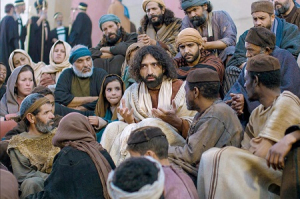
Promise of the Spirit, Love Among Us,
Love Within Us (John 14:15-21)
As we approach the coming feasts of the Ascension and Pentecost, the Gospel today focuses on the Holy Spirit.
Jesus returns to the Father in the Ascension, but remains with his disciples through the coming of the Holy Spirit at Pentecost. This Holy Spirit keeps us in a communion of love with Jesus, with the Father and with one another.
The commandments of Jesus are always about love - love of God and love of neighbour. Those who live by these commandments of Jesus abide with him, others and the Father in love.
Along with the call to love comes a gift to help us, to accompany us on our journey, lending knowledge, courage and a deep experience of God’s life and love.
Jesus is the reign of God in person. He is both the image of God and the model of the redeemed human being that each of us is called to be.
The Gospel makes a number of important points: the basis of our relationship with Jesus is love; Jesus’ return to the Father does not leave us orphans because his spirit, the Spirit of truth, the Advocate, will be with us always; Jesus will, one day, return.
The whole Gospel reading today is like a love poem. God’s love for us, shown clearly in the life of Jesus, draws us into love with him and one another and allows us to share God’s life both now and for ever.
Jesus returns to the Father in the Ascension, but remains with his disciples through the coming of the Holy Spirit at Pentecost. This Holy Spirit keeps us in a communion of love with Jesus, with the Father and with one another.
The commandments of Jesus are always about love - love of God and love of neighbour. Those who live by these commandments of Jesus abide with him, others and the Father in love.
Along with the call to love comes a gift to help us, to accompany us on our journey, lending knowledge, courage and a deep experience of God’s life and love.
Jesus is the reign of God in person. He is both the image of God and the model of the redeemed human being that each of us is called to be.
The Gospel makes a number of important points: the basis of our relationship with Jesus is love; Jesus’ return to the Father does not leave us orphans because his spirit, the Spirit of truth, the Advocate, will be with us always; Jesus will, one day, return.
The whole Gospel reading today is like a love poem. God’s love for us, shown clearly in the life of Jesus, draws us into love with him and one another and allows us to share God’s life both now and for ever.
- pdf Celebrating At Home - Sixth Sunday of Easter [PDF](3.07 MB)
- default Celebrating At Home - Sixth Sunday of Easter [ePub](4.33 MB)
- pdf Celebrando en Familia - Sexto Domingo de Pascua(815 KB)
- pdf Celebrando in Casa - VI Domenica di Pasqua(797 KB)
- pdf Comemorando em família - Sexto Domingo de Páscoa(774 KB)
Published in
Noticias (CITOC)
Tagged under
Martes, 28 Abril 2026 07:58
Celebrating At Home - Fifth Sunday of Easter
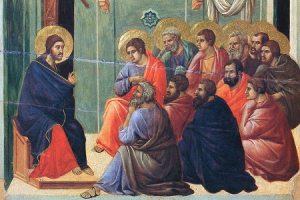
Jesus, Our Way, Truth and Life (Jn 14:1-12)
In the opening words of the Gospel, Jesus calls the disciples to trust him and to trust God. He does so in the context of announcing his departure to them. Understandably, the disciples are afraid and uncertain which the questions of Thomas and Philip show.
Jesus calls them to trust him as the way to God, the living truth about God and the very life of God.
In a sense, Jesus is our map, our road and the destination of our journey. But arriving at the destination is not something which only happens in heaven. We are meant to start arriving now through the gift of the Spirit.
It is the spirit of Jesus who holds us in communion with God, who reveals to us the truth about God and who is the very life of God within each of us. Jesus is the reign of God in person and that is what we are called to be, too.
We want to live true to the vocation God has given us, aware of the Spirit which has been placed into our hearts, allowing that Spirit to change us into true believers so that the face of God might be seen within our own.
Jesus calls them to trust him as the way to God, the living truth about God and the very life of God.
In a sense, Jesus is our map, our road and the destination of our journey. But arriving at the destination is not something which only happens in heaven. We are meant to start arriving now through the gift of the Spirit.
It is the spirit of Jesus who holds us in communion with God, who reveals to us the truth about God and who is the very life of God within each of us. Jesus is the reign of God in person and that is what we are called to be, too.
We want to live true to the vocation God has given us, aware of the Spirit which has been placed into our hearts, allowing that Spirit to change us into true believers so that the face of God might be seen within our own.
- pdf Celebrating At Home - Fifth Sunday of Easter [PDF](3.21 MB)
- default Celebrating At Home - Fifth Sunday of Easter [ePub](4.69 MB)
- pdf Celebrando en Familia - Quinto Domingo de Pascua(855 KB)
- pdf Celebrando in Casa - V Domenica di Pasqua(857 KB)
- pdf Comemorando em família - Quinto Domingo de Páscoa(844 KB)
Published in
Noticias (CITOC)
Tagged under
Miércoles, 22 Abril 2026 07:48
Celebrating At Home - Fourth Sunday of Easter
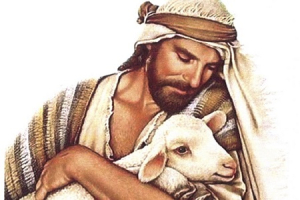
The Good Shepherd Calls His Own by Name,
and They Recognise His Voice (John 10:1-10)
The Fourth Sunday of Easter is often called “Good Shepherd Sunday” because no matter what reading cycle we are in, the Gospel always focusses on the image of Jesus as the Good Shepherd.
This year, the Gospel reading talks about Jesus as the ‘gate of the sheepfold’, that is, Jesus is the one through whom we truly enter into the fold of God. The reading implies that those who get into the sheepfold some other way bring only disaster and destruction. Those who enter the fold through Christ, the Good Shepherd, will be safe, will be led to good pasture and have life in all its fullness.
Jesus acts towards us like a good shepherd: feeding, nurturing, defending and even laying down his life for us. Our Good Shepherd is deeply concerned about us, the flock and there is a deep sense of warmth and intimacy in the realisation that Jesus knows each one of us by name. Like a good shepherd Jesus is the source of life, nourishment, and safety for the sheep.
Any reflection about Jesus as the Good Shepherd also serves as a reminder that shepherding each other in Jesus’ name is part of the vocation of every disciple. We are very used to thinking about Jesus as the Good Shepherd, but we also need to think about being/becoming good shepherds to each other.
One of the very encouraging things about the pandemic was the number of people who became good shepherds to others, providing safety and security to vulnerable people, supporting health workers, providing meals and companionship. Yes, there were the ‘thieves and brigands’ too who preyed on others by hiking prices, selling goods which were never delivered and various other online scams.
But, like Jesus, we are called to bring life in all its fullness to one another.
This year, the Gospel reading talks about Jesus as the ‘gate of the sheepfold’, that is, Jesus is the one through whom we truly enter into the fold of God. The reading implies that those who get into the sheepfold some other way bring only disaster and destruction. Those who enter the fold through Christ, the Good Shepherd, will be safe, will be led to good pasture and have life in all its fullness.
Jesus acts towards us like a good shepherd: feeding, nurturing, defending and even laying down his life for us. Our Good Shepherd is deeply concerned about us, the flock and there is a deep sense of warmth and intimacy in the realisation that Jesus knows each one of us by name. Like a good shepherd Jesus is the source of life, nourishment, and safety for the sheep.
Any reflection about Jesus as the Good Shepherd also serves as a reminder that shepherding each other in Jesus’ name is part of the vocation of every disciple. We are very used to thinking about Jesus as the Good Shepherd, but we also need to think about being/becoming good shepherds to each other.
One of the very encouraging things about the pandemic was the number of people who became good shepherds to others, providing safety and security to vulnerable people, supporting health workers, providing meals and companionship. Yes, there were the ‘thieves and brigands’ too who preyed on others by hiking prices, selling goods which were never delivered and various other online scams.
But, like Jesus, we are called to bring life in all its fullness to one another.
- pdf Celebrating At Home - Fourth Sunday of Easter [PDF](2.90 MB)
- default Celebrating At Home - Fourth Sunday of Easter [ePub](2.63 MB)
- pdf Celebrando en Familia - Cuarto Domingo de Pascua(754 KB)
- pdf Celebrando in Casa - IV Domenica di Pasqua(741 KB)
- pdf Celebrando em família - Quarto Domingo da Páscoa(753 KB)
Published in
Noticias (CITOC)
Tagged under
Martes, 14 Abril 2026 10:25
Celebrating At Home - Third Sunday of Easter
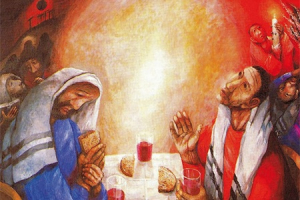
Strangers Share a Journey, Hearts Begin to Burn
and They Recognised Him (Lk 24:13-35)
Luke’s wonderful story of the two disciples on the way to Emmaus is another story of transformation through personal encounter with the risen Jesus.
It is a heart-warming story and we can easily identify with the two disciples feeling crushed by the weight of their shattered dreams. They don’t believe the story of the women that Jesus is alive.
They don’t recognise the stranger when he walks beside them. Perhaps that’s because they are so
involved in their own hurt and disappointment, and doesn’t that sometimes happen to us, too?
What does Jesus do? First, he invites them to share with him their story, he lets them talk it out. Then he draws them into the bigger story of his life, death and resurrection by unfolding the scriptures for them. In other words, he gives them a sense of perspective. He puts their story in touch with the bigger story of God’s purpose.
Their hope is being rebuilt and their hearts are beginning ‘to burn’ as Jesus talks. They are beginning to ‘catch fire’ again. When they arrive at Emmaus, Jesus makes as if to go on, but the disciples beg him to stay.
At table Jesus takes the bread, says the traditional Jewish blessing (like Grace Before Meals) and breaks the loaf and the eyes of these faithful, yet blind, disciples are opened to recognise him.
The disciples can scarcely contain themselves and set out immediately to return to Jerusalem, eager to share their story. To travel at night in the ancient world was to risk robbery and death, but, they just can’t wait.
From being two sad, depressed, down-hearted, grieving men the disciples have been transformed into impatient, enthusiastic heralds of good news through their encounter with Jesus.
It is the same Jesus whom we encounter in our hearts and in the Eucharist.
Maybe we could spend a little time sharing with Jesus our story and listening more deeply to his.
It is a heart-warming story and we can easily identify with the two disciples feeling crushed by the weight of their shattered dreams. They don’t believe the story of the women that Jesus is alive.
They don’t recognise the stranger when he walks beside them. Perhaps that’s because they are so
involved in their own hurt and disappointment, and doesn’t that sometimes happen to us, too?
What does Jesus do? First, he invites them to share with him their story, he lets them talk it out. Then he draws them into the bigger story of his life, death and resurrection by unfolding the scriptures for them. In other words, he gives them a sense of perspective. He puts their story in touch with the bigger story of God’s purpose.
Their hope is being rebuilt and their hearts are beginning ‘to burn’ as Jesus talks. They are beginning to ‘catch fire’ again. When they arrive at Emmaus, Jesus makes as if to go on, but the disciples beg him to stay.
At table Jesus takes the bread, says the traditional Jewish blessing (like Grace Before Meals) and breaks the loaf and the eyes of these faithful, yet blind, disciples are opened to recognise him.
The disciples can scarcely contain themselves and set out immediately to return to Jerusalem, eager to share their story. To travel at night in the ancient world was to risk robbery and death, but, they just can’t wait.
From being two sad, depressed, down-hearted, grieving men the disciples have been transformed into impatient, enthusiastic heralds of good news through their encounter with Jesus.
It is the same Jesus whom we encounter in our hearts and in the Eucharist.
Maybe we could spend a little time sharing with Jesus our story and listening more deeply to his.
Published in
Noticias (CITOC)
Tagged under
Miércoles, 08 Abril 2026 09:18
Celebrating At Home - Second Sunday of Easter
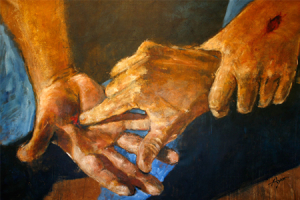
A Joyful Meeting, the Spirit Received,
Doubts Transformed (John 20:19-31)
The great Easter feast of last Sunday began the Church’s fifty-day celebration of the Resurrection which concludes with the feast of Pentecost in six weeks.
The Gospel of each Sunday is a meditation on Jesus as: the resurrected Christ, made known in the scriptures and the breaking of the bread, the bearer of life in all its fullness, our way, truth and life, pledge of God’s love.
In today’s Gospel reading there are two stories of transformation through encounter with the risen Jesus.
Firstly, Jesus appears to a group of frightened and bewildered disciples hiding in a room. His first words are, ‘Peace be with you’. Fear and bewilderment turn into joy as the disciples recognise the presence of the Risen Jesus with them. But that’s not all. He then sends them out to be missionaries of peace and forgiveness. In receiving the Holy Spirit they are transformed from a group of frightened people, hiding in a room, to bold proclaimers of God’s love and mercy.
The second story in today’s Gospel is the one we all know as doubting Thomas, though, really, it should be known as believing Thomas - doubt is only the beginning of the story.
Jesus doesn’t scold or rebuke Thomas. If Thomas is looking for proof, he has only to touch Jesus to see he is real. But Thomas doesn’t do that. It is his personal encounter with Jesus which transforms him from doubter to believer.
It is yet another Gospel reminder that faith is not about believing with our minds or in looking for proof. It is found only in our living relationship with Jesus.
Perhaps these days give us a bit more time just to sit and chat with Jesus, to recognise him already present in our hearts, to allow our fears and doubts to be overcome by love, to find new, creative ways of transforming darkness into light, peace and joy for others.
May the new life we celebrate over the next fifty days bring us the creativity of Spirit we need to be the living heart of God in our world today.
The Gospel of each Sunday is a meditation on Jesus as: the resurrected Christ, made known in the scriptures and the breaking of the bread, the bearer of life in all its fullness, our way, truth and life, pledge of God’s love.
In today’s Gospel reading there are two stories of transformation through encounter with the risen Jesus.
Firstly, Jesus appears to a group of frightened and bewildered disciples hiding in a room. His first words are, ‘Peace be with you’. Fear and bewilderment turn into joy as the disciples recognise the presence of the Risen Jesus with them. But that’s not all. He then sends them out to be missionaries of peace and forgiveness. In receiving the Holy Spirit they are transformed from a group of frightened people, hiding in a room, to bold proclaimers of God’s love and mercy.
The second story in today’s Gospel is the one we all know as doubting Thomas, though, really, it should be known as believing Thomas - doubt is only the beginning of the story.
Jesus doesn’t scold or rebuke Thomas. If Thomas is looking for proof, he has only to touch Jesus to see he is real. But Thomas doesn’t do that. It is his personal encounter with Jesus which transforms him from doubter to believer.
It is yet another Gospel reminder that faith is not about believing with our minds or in looking for proof. It is found only in our living relationship with Jesus.
Perhaps these days give us a bit more time just to sit and chat with Jesus, to recognise him already present in our hearts, to allow our fears and doubts to be overcome by love, to find new, creative ways of transforming darkness into light, peace and joy for others.
May the new life we celebrate over the next fifty days bring us the creativity of Spirit we need to be the living heart of God in our world today.
- pdf Celebrating At Home - Second Sunday of Easter [PDF](3.18 MB)
- default Celebrating At Home - Second Sunday of Easter [ePub](2.25 MB)
- pdf Celebrando en Familia - Segundo Domingo de Pascua(791 KB)
- pdf Celebrando in Casa - Seconda Domenica di Pasqua(783 KB)
- pdf Celebrando em família - Segundo Domingo da Páscoa(773 KB)
Published in
Noticias (CITOC)
Tagged under
Miércoles, 01 Abril 2026 08:36
Celebrating At Home - Easter Sunday
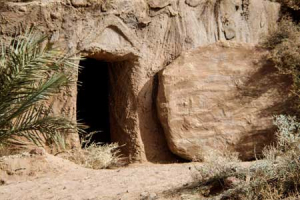
An Empty Tomb, Lives Changed For Ever,
Enduring Presence (John 20:1-9)
When someone dies, one of the things we often feel is their absence. The rooms where they lived with us, the places where they sat are now empty and our hearts ache.
It’s not hard for us to share Mary’s sense of emptiness and bewilderment when she arrives at the tomb.
If we were to read the next few verses from John’s Gospel, we would read a story of overwhelming joy as Mary Magdalen meets the risen Jesus. When Jesus speaks her name, Mary recognises him and
sadness and emptiness give way to joyful reunion.
It’s a story of transformation - how things can change when we meet the risen Jesus.
In a way, we are all caught in tombs which hold loved ones, our experiences of hurt and harm, our fears and anxieties, especially now.
What we seem to need above all at this time is presence. Yet, this is the time when we experience absence most of all - being apart from loved ones, family and friends.
The practice of the presence of God can help us - just frequently reminding ourselves that we always in the presence of God, that we can talk to God as one friend to another, that God is in this moment with us, that God is on our side no matter what comes our way, that God is our constant companion.
Eventually, we will begin to feel more deeply God’s presence, not just beside us, but within us. Eventually, the fears and anxieties, the past hurts, and disrupted relationships begin to melt away.
Where once there was only absence, now there is calm, loving, healing Presence and we know we are not alone. Our tombs begin to empty and joy becomes possible again.
Resurrection is all about death giving way to life, the impossible becoming possible, absence becoming presence.
May all your tombs be empty!
It’s not hard for us to share Mary’s sense of emptiness and bewilderment when she arrives at the tomb.
If we were to read the next few verses from John’s Gospel, we would read a story of overwhelming joy as Mary Magdalen meets the risen Jesus. When Jesus speaks her name, Mary recognises him and
sadness and emptiness give way to joyful reunion.
It’s a story of transformation - how things can change when we meet the risen Jesus.
In a way, we are all caught in tombs which hold loved ones, our experiences of hurt and harm, our fears and anxieties, especially now.
What we seem to need above all at this time is presence. Yet, this is the time when we experience absence most of all - being apart from loved ones, family and friends.
The practice of the presence of God can help us - just frequently reminding ourselves that we always in the presence of God, that we can talk to God as one friend to another, that God is in this moment with us, that God is on our side no matter what comes our way, that God is our constant companion.
Eventually, we will begin to feel more deeply God’s presence, not just beside us, but within us. Eventually, the fears and anxieties, the past hurts, and disrupted relationships begin to melt away.
Where once there was only absence, now there is calm, loving, healing Presence and we know we are not alone. Our tombs begin to empty and joy becomes possible again.
Resurrection is all about death giving way to life, the impossible becoming possible, absence becoming presence.
May all your tombs be empty!
- pdf Celebrating At Home - Easter Sunday of the Resurrection [PDF](3.28 MB)
- default Celebrating At Home - Easter Sunday of the Resurrection [ePub](3.34 MB)
- pdf Celebrando en Familia - El Domingo de Pascua(579 KB)
- pdf Celebrando in Casa - La Pasqua(588 KB)
- pdf Celebrando em família - Domingo de Páscoa(588 KB)
Published in
Noticias (CITOC)
Tagged under
Martes, 31 Marzo 2026 12:53
Celebrating At Home - Good Friday
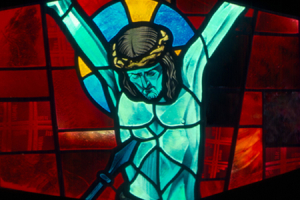
Love Revealed in the Passion
(John 18:1 - 19:42)
The Passion of Jesus according to John
Jesus left with his disciples and crossed the Kedron valley. There was a garden there, and he went into it with his disciples. Judas the traitor knew the place well, since Jesus had often met his disciples there, and he brought the cohort to this place together with a detachment of guards sent by the chief priests and the Pharisees, all with lanterns and torches and weapons. Knowing everything that was going to happen to him, Jesus then came forward and said, ‘Who are you looking for?’ They answered, ‘Jesus the Nazarene.’ He said, ‘I am he.’ Now Judas the traitor was standing among them. When Jesus said, ‘I am he’, they moved back and fell to the ground. He asked them a second time, ‘Who are you looking for?’ They said, ‘Jesus the Nazarene.’ Jesus replied, ‘I have told you that I am he. If I am the one you are looking for, let these others go.’ This was to fulfil the words he had spoken: ‘Not one of those you gave me have I lost’.
Simon Peter, who carried a sword, drew it and wounded the high priest’s servant, cutting off his right ear. The servant’s name was Malchus. Jesus said to Peter, ‘Put your sword back in its scabbard; am I not to drink the cup that the Father has given me?’
Jesus left with his disciples and crossed the Kedron valley. There was a garden there, and he went into it with his disciples. Judas the traitor knew the place well, since Jesus had often met his disciples there, and he brought the cohort to this place together with a detachment of guards sent by the chief priests and the Pharisees, all with lanterns and torches and weapons. Knowing everything that was going to happen to him, Jesus then came forward and said, ‘Who are you looking for?’ They answered, ‘Jesus the Nazarene.’ He said, ‘I am he.’ Now Judas the traitor was standing among them. When Jesus said, ‘I am he’, they moved back and fell to the ground. He asked them a second time, ‘Who are you looking for?’ They said, ‘Jesus the Nazarene.’ Jesus replied, ‘I have told you that I am he. If I am the one you are looking for, let these others go.’ This was to fulfil the words he had spoken: ‘Not one of those you gave me have I lost’.
Simon Peter, who carried a sword, drew it and wounded the high priest’s servant, cutting off his right ear. The servant’s name was Malchus. Jesus said to Peter, ‘Put your sword back in its scabbard; am I not to drink the cup that the Father has given me?’
Pause for quiet reflection
The cohort and its captain and the Jewish guards seized Jesus and bound him. They took him first to Annas, because Annas was the father-in-law of Caiaphas, who was high priest that year. It was Caiaphas who had suggested to the Jews, ‘It is better for one man to die for the people’.
Simon Peter, with another disciple, followed Jesus. This disciple, who was known to the high priest, went with Jesus into the high priest’s palace, but Peter stayed outside the door. So the other disciple, the one known to the high priest, went out, spoke to the woman who was keeping the door and brought Peter in. The maid on duty at the door said to Peter, ‘Aren’t you another of that man’s disciples?’ He answered, ‘I am not.’ Now it was cold, and the servants and guards had lit a charcoal fire and were standing there warming themselves; so Peter stood there too, warming himself with the others.
The high priest questioned Jesus about his disciples and his teaching. Jesus answered, ‘I have spoken openly for all the world to hear; I have always taught in the synagogue and in the Temple where all the Jews meet together: I have said nothing in secret. But why ask me? Ask my hearers what I taught: they know what I said.’ At these words, one of the guards standing by gave Jesus a slap in the face, saying, ‘Is that the way to answer the high priest?’ Jesus replied, ‘If there is something wrong in what I said, point it out; but if there is no offense in it, why do you strike me?’ Then Annas sent him, still bound, to Caiaphas, the high priest.
As Simon Peter stood there warming himself, someone said to him, ‘Aren’t you another of his disciples?’ He denied it saying, ‘I am not.’ One of the high priest’s servants, a relation of the man whose ear Peter had cut off, said, ‘Didn’t I see you in the garden with him?’ Again Peter denied it; and at once a cock crew.
Simon Peter, with another disciple, followed Jesus. This disciple, who was known to the high priest, went with Jesus into the high priest’s palace, but Peter stayed outside the door. So the other disciple, the one known to the high priest, went out, spoke to the woman who was keeping the door and brought Peter in. The maid on duty at the door said to Peter, ‘Aren’t you another of that man’s disciples?’ He answered, ‘I am not.’ Now it was cold, and the servants and guards had lit a charcoal fire and were standing there warming themselves; so Peter stood there too, warming himself with the others.
The high priest questioned Jesus about his disciples and his teaching. Jesus answered, ‘I have spoken openly for all the world to hear; I have always taught in the synagogue and in the Temple where all the Jews meet together: I have said nothing in secret. But why ask me? Ask my hearers what I taught: they know what I said.’ At these words, one of the guards standing by gave Jesus a slap in the face, saying, ‘Is that the way to answer the high priest?’ Jesus replied, ‘If there is something wrong in what I said, point it out; but if there is no offense in it, why do you strike me?’ Then Annas sent him, still bound, to Caiaphas, the high priest.
As Simon Peter stood there warming himself, someone said to him, ‘Aren’t you another of his disciples?’ He denied it saying, ‘I am not.’ One of the high priest’s servants, a relation of the man whose ear Peter had cut off, said, ‘Didn’t I see you in the garden with him?’ Again Peter denied it; and at once a cock crew.
Pause for quiet reflection
They then led Jesus from the house of Caiaphas to the Praetorium. It was now morning. They did not go into the Praetorium themselves or they would be defiled and unable to eat the Passover. So Pilate came outside to them and said, ‘What charge do you bring against this man?’ They replied, ‘If he were not a criminal, we should not be handing him over to you.’ Pilate said, ‘Take him yourselves, and try him by your own Law.’ The Jews answered, ‘We are not allowed to put a man to death.’ This was to fulfil the words Jesus had spoken indicating the way he was going to die. So Pilate went back into the Praetorium and called Jesus to him, and asked, ‘Are you the king of the Jews?’ Jesus replied, ‘Do you ask this of your own accord, or have others spoken to you about me?’ Pilate answered, ‘Am I a Jew? It is your own people and the chief priests who have handed you over to me: what have you done?’ Jesus replied, ‘Mine is not a kingdom of this world; if my kingdom were of this world, my men would have fought to prevent me being surrendered to the Jews. But my kingdom is not of this kind.’ Pilate said, ‘So you are a king then?’ Jesus answered, ‘It is you who say it. Yes, I am a king. I was born for this, I came into the world for this; to bear witness to the truth, and all who are on the side of truth listen to my voice.’ Pilate said, ‘Truth? What is that?’ And with that he went out again to the Jews and said, ‘I find no case against him. But according to a custom of yours I should release one prisoner at the Passover; would you like me, then, to release the king of the Jews?’ At this they shouted, ‘Not this man, but Barabbas.’ Barabbas was a brigand.
Pilate then had Jesus taken away and scourged; and after this, the soldiers twisted some thorns into a crown and put it on his head, and dressed him in a purple robe. They kept coming up to him and saying, ‘Hail, king of the Jews!’ and they slapped him in the face.
Pilate then had Jesus taken away and scourged; and after this, the soldiers twisted some thorns into a crown and put it on his head, and dressed him in a purple robe. They kept coming up to him and saying, ‘Hail, king of the Jews!’ and they slapped him in the face.
Pause for quiet reflection
Pilate came outside and said to them, ‘Look, I am going to bring him out to you to let you see that I find no case.’ Jesus then came out wearing the crown of thorns and the purple robe. Pilate said, ‘Here is the man.’ When they saw him the chief priests and the guards shouted, ‘Crucify him! Crucify him!’ Pilate said, ‘Take him yourselves and crucify him: I can find no case against him.’ The Jews replied, ‘We have a Law, and according to the Law he ought to die, because he has claimed to be the son of God.’ When Pilate heard them say this his fears increased. Re-entering the Praetorium, he said to Jesus, ‘Where do you come from?’ But Jesus made no answer. Pilate then said to him, ‘Are you refusing to speak to me? Surely you know I have power to release you and I have power to crucify you?’ Jesus replied, ‘You would have no power over me if it had not been given you from above; that is why the one who handed me over to you has the greater guilt.’
From that moment Pilate was anxious to set him free, but the Jews shouted, ‘If you set him free you are no friend of Caesar’s; anyone who makes himself king is defying Caesar.’ Hearing these words, Pilate had Jesus brought out, and seated himself on the chair of judgement at a place called the Pavement, in Hebrew Gabbatha. It was Passover Preparation Day, about the sixth hour. Pilate said to the Jews, ‘Here is your king.’ They said, ‘Take him away, take him away. Crucify him!’ Pilate said, ‘Do you want me to crucify your king?’ The chief priests answered, ‘We have no king except Caesar.’ So in the end Pilate handed him over to them to be crucified.
From that moment Pilate was anxious to set him free, but the Jews shouted, ‘If you set him free you are no friend of Caesar’s; anyone who makes himself king is defying Caesar.’ Hearing these words, Pilate had Jesus brought out, and seated himself on the chair of judgement at a place called the Pavement, in Hebrew Gabbatha. It was Passover Preparation Day, about the sixth hour. Pilate said to the Jews, ‘Here is your king.’ They said, ‘Take him away, take him away. Crucify him!’ Pilate said, ‘Do you want me to crucify your king?’ The chief priests answered, ‘We have no king except Caesar.’ So in the end Pilate handed him over to them to be crucified.
Pause for quiet reflection
They then took charge of Jesus, and carrying his own cross he went out of the city to the place of the skull, or, as it was called in Hebrew, Golgotha, where they crucified him with two others, one on either side with Jesus in the middle. Pilate wrote out a notice and had it fixed to the cross; it ran: ‘Jesus the Nazarene, King of the Jews’. This notice was read by many of the Jews, because the place where Jesus was crucified was not far from the city, and the writing was in Hebrew, Latin and Greek. So the Jewish chief priests said to Pilate, ‘You should not write ‘King of the Jews’, but ‘This man said: I am King of the Jews’. Pilate answered, ‘What I have written, I have written.’
When the soldiers had finished crucifying Jesus they took his clothing and divided it into four shares, one for each soldier. His undergarment was seamless, woven in one piece from neck to hem; so they said to one another, ‘Instead of tearing it, let’s throw dice to decide who is to have it.’ In this way the words of scripture were fulfilled: They shared out my clothing among them. They cast lots for my clothes. This is exactly what the soldiers did.
Near the cross of Jesus stood his mother and his mother’s sister, Mary the wife of Clopas, and Mary of Magdala. Seeing his mother and the disciple he loved standing near her, Jesus said to his mother, ‘Woman, this is your son.’ Then to the disciple he said, ‘This is your mother.’ And from that moment the disciple made a place for her in his home.
After this, Jesus knew that everything had now been completed, and to fulfil the scripture perfectly he said, ‘I am thirsty.’ A jar full of vinegar stood there, so putting a sponge soaked in vinegar on a hyssop stick they held it up to his mouth. After Jesus had taken the vinegar he said, ‘It is accomplished’; and bowing his head he gave up the spirit.
When the soldiers had finished crucifying Jesus they took his clothing and divided it into four shares, one for each soldier. His undergarment was seamless, woven in one piece from neck to hem; so they said to one another, ‘Instead of tearing it, let’s throw dice to decide who is to have it.’ In this way the words of scripture were fulfilled: They shared out my clothing among them. They cast lots for my clothes. This is exactly what the soldiers did.
Near the cross of Jesus stood his mother and his mother’s sister, Mary the wife of Clopas, and Mary of Magdala. Seeing his mother and the disciple he loved standing near her, Jesus said to his mother, ‘Woman, this is your son.’ Then to the disciple he said, ‘This is your mother.’ And from that moment the disciple made a place for her in his home.
After this, Jesus knew that everything had now been completed, and to fulfil the scripture perfectly he said, ‘I am thirsty.’ A jar full of vinegar stood there, so putting a sponge soaked in vinegar on a hyssop stick they held it up to his mouth. After Jesus had taken the vinegar he said, ‘It is accomplished’; and bowing his head he gave up the spirit.
Pause for quiet reflection
It was Preparation Day, and to prevent the bodies remaining on the cross during the Sabbath - since the Sabbath was a day of special solemnity - the Jews asked Pilate to have the legs broken and the bodies taken away. Consequently the soldiers came and broke the legs of the first man who had been crucified with him and then the other. When they came to Jesus, they found that he was already dead, and so instead of breaking his legs one of the soldiers pierced his side with a lance; and immediately there came out blood and water. This is the evidence of one who saw it - trustworthy evidence, and he knows he speaks the truth - and he gives it so that you may believe as well. Because all this happened to fulfil the words of scripture: Not one bone of his will be broken, and again, in another place scripture says: They will look on the one whom they have pierced.
After this, Joseph of Arimathaea, who was a disciple of Jesus though a secret one because he was afraid of the Jews asked Pilate to let him remove the body of Jesus. Pilate gave permission, so they came and took it away. Nicodemus came as well - the same one who had first come to Jesus at night-time and he brought a mixture of myrrh and aloes, weighing about a hundred pounds. They took the body of Jesus and wrapped it with the spices in linen cloths, following the Jewish burial custom. At the place where he had been crucified there was a garden, and in the garden a new tomb in which no one had yet been buried. Since it was the Jewish Day of Preparation and the tomb was near at hand, they laid Jesus there.
After this, Joseph of Arimathaea, who was a disciple of Jesus though a secret one because he was afraid of the Jews asked Pilate to let him remove the body of Jesus. Pilate gave permission, so they came and took it away. Nicodemus came as well - the same one who had first come to Jesus at night-time and he brought a mixture of myrrh and aloes, weighing about a hundred pounds. They took the body of Jesus and wrapped it with the spices in linen cloths, following the Jewish burial custom. At the place where he had been crucified there was a garden, and in the garden a new tomb in which no one had yet been buried. Since it was the Jewish Day of Preparation and the tomb was near at hand, they laid Jesus there.
Pause for quiet reflection
Published in
Noticias (CITOC)
Tagged under


