





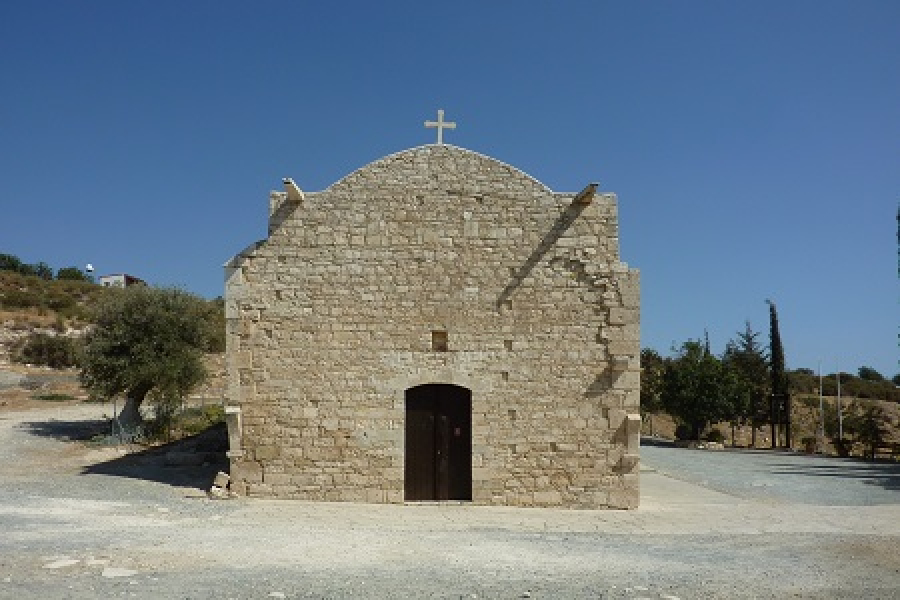
13th Century Carmelite Foundation in Limassol, Cyprus Located
Pottery discovered during an initial excavation at Panagia Karmiotissa in Limassol on Cyprus has been dated back to the 13th century and is thought to be linked to the Carmelites. The Cyprus Department of Antiquities held a conference at the end of the first season at the site.
According to published reports, the site was selected because of historical documents, geographical features, place names, and local lore, all of which suggested it was the location of a Carmelite foundation in the 13th century.
The Carmelite historian, Joachim Smet, wrote in his monumental history of the Order that besides the original foundations of Fortamia (1238) on Cyprus, the Order is known to have had houses in Limassol, Paphos, Famagusta, and Nicosia. These are on a list added to the Constitutions of 1369.
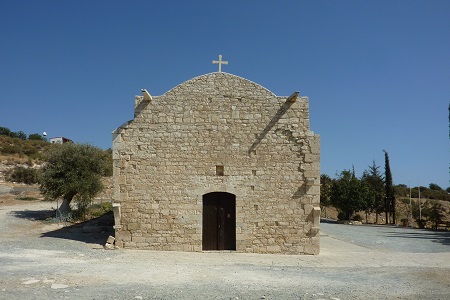
An architectural analysis of the existing church suggests it was dates to the 14th century. This discrepancy necessitates further excavation to explore deeper historical layers. Three exploratory trenches were opened: two on the northern terraces and one behind the current church’s apse.
Besides the pottery from the 13th century, the trenches have revealed evidence of two post-Byzantine habitation phases, including several postholes. Behind the church’s apse, numerous human-sized pits aligned east to west were uncovered, suggesting former grave sites likely associated with the church’s cemetery.
A flight of stairs cut into the natural bedrock and oriented towards a location underneath the church indicates earlier structures than the current church building. In addition, ground-penetrating radar surveys inside the church, hint at significant structures below the church floor.